
When Should a Child Start Occupational Therapy? Signs Parents Should Watch For
When Should a Child Start Occupational Therapy? Signs Parents Should Watch For
Children grow and develop at different rates, which can make it difficult for parents to know when a behavior is simply part of normal development and when extra support may be helpful. Some children naturally adapt to routines, social interaction, and physical tasks with ease, while others may struggle with activities that seem simple for their peers. A child who avoids certain textures, becomes frustrated during daily routines, or has difficulty with coordination may not simply be “going through a phase.” These challenges can sometimes point to developmental areas where occupational therapy may provide valuable support.
Occupational therapy helps children develop the skills they need to participate more comfortably and confidently in everyday life. These skills include movement, coordination, emotional regulation, sensory processing, self-care, and focus. Therapy is designed to strengthen a child’s ability to manage daily activities at home, school, and within the community.
For many families, the hardest part is knowing when to seek help. Understanding the signs that may indicate a child could benefit from occupational therapy allows parents to make informed decisions early and provide support before challenges become more overwhelming.
Understanding What Occupational Therapy Supports
Occupational therapy focuses on helping children participate in everyday activities as independently as possible. These activities are often called “occupations,” which simply means the daily tasks children need to do throughout childhood.
This can include:
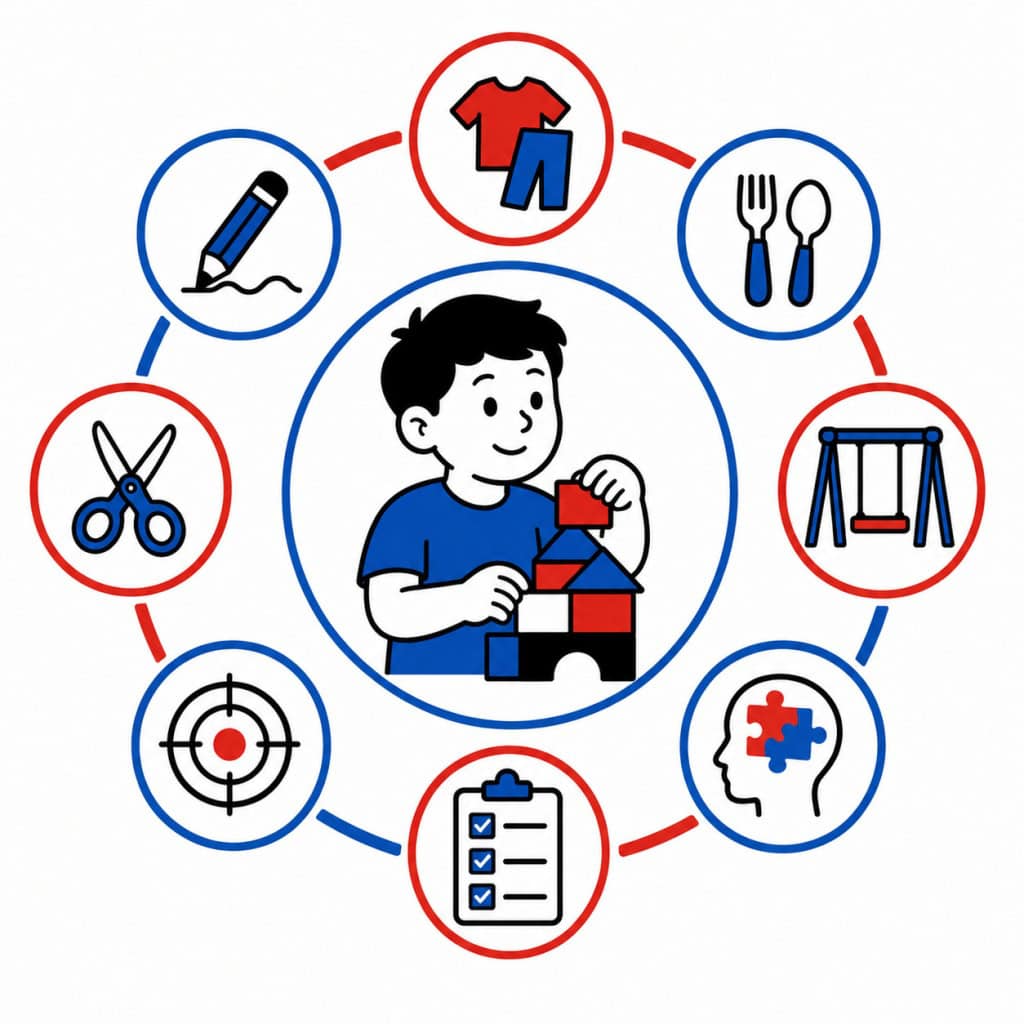
- Dressing independently
- Holding a pencil correctly
- Using scissors or utensils
- Participating in play
- Managing sensory input
- Following routines
- Maintaining focus during activities
Occupational therapists look at the whole child rather than focusing on one isolated difficulty. A child who struggles with writing, for example, may actually be experiencing challenges with posture, hand strength, sensory processing, or coordination.
The goal of therapy is not perfection. It is to help children feel more capable, confident, and comfortable navigating their daily lives.
Why Early Support Matters
Many parents hesitate before seeking support because they hope their child will eventually outgrow certain struggles. While some developmental differences do improve naturally over time, others may continue to affect learning, emotional well-being, and independence if left unaddressed.
Early support allows children to build foundational skills during critical periods of development. Young children are constantly learning through movement, play, and interaction. Occupational therapy uses these natural learning opportunities to strengthen important developmental areas.
The earlier support begins, the easier it often becomes to help children develop effective coping strategies, coordination, and independence before frustrations build.
Early intervention does not mean something is “wrong” with a child. It simply means the child may benefit from additional guidance while learning important skills.
Difficulty With Fine Motor Skills
Fine motor skills involve the small movements of the hands and fingers that children use during daily tasks. These skills are essential for activities such as writing, buttoning clothes, cutting with scissors, and using utensils.
Some children may avoid these activities because they feel physically difficult or frustrating. Parents might notice that their child grips a pencil awkwardly, tires quickly during coloring, or struggles to manipulate small objects.
Children who experience fine motor challenges may also become frustrated during school related tasks that require precision and coordination.
Occupational therapy helps strengthen hand muscles, improve coordination, and build control through playful and structured activities. As children gain confidence in these skills, everyday tasks often become less stressful and more manageable.
Delays In Gross Motor Development
Gross motor skills involve larger body movements such as running, jumping, climbing, balancing, and maintaining posture.
A child who frequently trips, avoids playground activities, or struggles to sit upright during tasks may have difficulty with motor coordination or body awareness.
Some children may appear clumsy compared to peers, while others may avoid physical activities altogether because movement feels challenging.
Occupational therapists use movement-based activities to improve balance, coordination, strength, and overall body control. These activities help children feel more comfortable participating in physical play and classroom activities.
Improved gross motor skills also support confidence, independence, and social participation.
Sensory Sensitivities That Affect Daily Life
Sensory processing challenges are one of the most common reasons families seek occupational therapy.
Children constantly process information from their environment through touch, sound, movement, taste, smell, and visual input. Some children process this information differently, which can affect how they respond to everyday experiences.
Parents may notice behaviors such as:
- Extreme sensitivity to clothing textures
- Distress during haircuts or nail trimming
- Avoidance of loud environments
- Difficulty tolerating certain food textures
- Constant movement or sensory seeking behaviors
- Trouble calming after stimulation
These responses are not simply behavioral issues. They often reflect how the child’s nervous system is processing sensory input.
Occupational therapy helps children regulate sensory experiences in ways that feel safe and manageable. Therapists may introduce calming strategies, movement activities, or sensory based exercises that help children better understand and respond to their environment.
Challenges With Focus And Attention
Many young children have moments where they become distracted or restless. However, some children struggle to maintain attention to the point that it significantly affects learning and participation.
A child who constantly leaves tasks unfinished, becomes overwhelmed during structured activities, or has difficulty following routines may benefit from additional support.
Occupational therapists explore the underlying reasons behind attention challenges. In some cases, sensory needs, posture difficulties, or emotional regulation challenges may be contributing factors.
Therapy helps children develop strategies that support focus and participation. This may include movement breaks, visual schedules, sensory activities, or structured routines that improve attention and organization.
As children learn how to manage their focus more effectively, they often feel more successful in both school and home environments.
Difficulty Managing Everyday Routines
Daily routines that appear simple to adults can feel overwhelming for some children. Tasks such as getting dressed, brushing teeth, packing a school bag, or transitioning between activities may trigger frustration or emotional distress.
Parents may find themselves providing constant reminders or assistance throughout the day.
Occupational therapy helps break routines into manageable steps and teaches children how to complete tasks more independently. Therapists often use repetition, visual supports, and structured practice to build confidence.
As children become more independent in daily routines, family stress often decreases as well.
Emotional Regulation And Frustration
Some children struggle to manage emotions during challenging situations. They may become easily frustrated, overwhelmed, or emotionally reactive during tasks that require effort or change.
Parents may notice frequent meltdowns, difficulty calming down, or avoidance of certain activities.
Occupational therapy supports emotional regulation by helping children understand their feelings and develop coping strategies.
Children may learn calming techniques, body awareness skills, or ways to communicate when they feel overwhelmed.
Over time, improved emotional regulation helps children navigate daily situations with greater confidence and resilience.
Social Participation And Play Difficulties
Play is an essential part of childhood development. Through play, children learn communication, problem solving, cooperation, and emotional understanding.
Some children may struggle to participate in age-appropriate play or social interaction. They may avoid group activities, have difficulty taking turns, or become overwhelmed in social settings.
Occupational therapists often support social development by helping children strengthen interaction skills through structured activities and guided play experiences.
Improved social participation allows children to feel more connected to peers and more comfortable in group environments.
School Related Challenges
School often brings developmental differences into clearer focus because children are expected to manage multiple skills at once.
A child who struggles with writing, maintaining posture, following classroom routines, or managing sensory stimulation may begin showing signs of stress at school.
Teachers may notice:
- Difficulty completing written tasks
- Restlessness during seated activities
- Trouble organizing materials
- Avoidance of certain classroom activities
- Frustration with transitions
Occupational therapy helps children develop the foundational skills needed for classroom success. This may include strengthening fine motor skills, improving attention, or supporting sensory regulation.
Therapy also helps children build confidence so they can participate more comfortably in learning environments.
Trusting Parental Instincts
Parents often notice developmental concerns before anyone else. Even if others reassure them that a child will eventually “catch up,” ongoing struggles should not be ignored.
Trusting parental instincts is important. If a child consistently finds daily activities difficult or stressful, seeking an evaluation can provide clarity and guidance.
An occupational therapy evaluation does not automatically mean a child will require long term support. Sometimes families simply receive strategies that help address specific challenges more effectively.
Seeking guidance early can reduce frustration and create opportunities for positive growth.
What Happens During Occupational Therapy
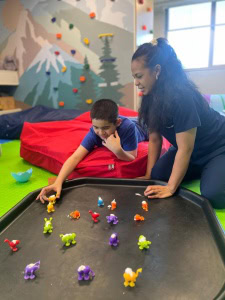
Occupational therapy sessions are designed to feel engaging, supportive, and child friendly. Therapists often use games, obstacle courses, crafts, movement activities, and sensory experiences to build skills naturally through play.
Each therapy plan is individualized based on the child’s strengths and needs.
Therapists also work closely with families to provide strategies that can be used at home. This collaborative approach helps children practice skills consistently across different environments.
Over time, therapy focuses on helping children become more independent, confident, and comfortable managing everyday activities.
Looking Ahead With Confidence
Every child deserves the opportunity to participate fully in daily life without feeling overwhelmed by tasks that should feel manageable.
Occupational therapy helps children strengthen the skills needed for independence, emotional regulation, focus, movement, and participation. While some challenges may appear small at first, early support can make a meaningful difference in how children experience school, relationships, and daily routines.
Parents do not need to wait until difficulties become severe before seeking guidance. Recognizing early signs and taking action can help children build confidence and develop skills that continue supporting them as they grow.
With patience, encouragement, and the right support, children can learn to navigate everyday experiences with greater comfort, confidence, and success.
