
Building Independence in Children Through Occupational Therapy Interventions
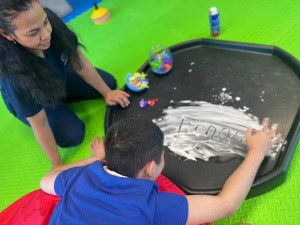
Building Independence in Children Through Occupational Therapy Interventions
Every parent hopes to see their child grow into a confident and independent individual. For many children, everyday skills such as getting dressed, feeding themselves, or participating in classroom activities develop naturally over time. For others, these milestones can be more challenging. Developmental differences, sensory processing difficulties, or physical limitations may make daily routines feel overwhelming.
This is where occupational therapy becomes an essential source of support. Occupational therapy focuses on helping children build the practical skills they need to participate fully in daily life. Rather than concentrating on a single challenge, it looks at the child as a whole person and supports their development across physical, sensory, emotional, and cognitive areas.
When thoughtfully applied, occupational therapy interventions can help children gain confidence, strengthen their abilities, and gradually develop the independence that allows them to engage more comfortably with the world around them.
Understanding Independence in Child Development
Independence in childhood does not appear suddenly. It grows gradually as children practice everyday tasks and learn to navigate their environment. From tying shoelaces to organizing school materials, each new skill builds a foundation for greater self-reliance.
For children with developmental delays, autism spectrum differences, sensory processing challenges, or motor coordination difficulties, these skills may take longer to develop. They may require more structured support and guided practice before tasks become manageable.
Occupational therapy helps bridge this gap. Therapists break down complex activities into smaller, achievable steps and work with children to develop the physical and cognitive abilities needed to complete those steps successfully. Over time, these small achievements accumulate and lead to greater independence in daily life.
Independence also contributes to emotional wellbeing. When children feel capable of completing tasks on their own, they often experience a boost in confidence and motivation. This sense of accomplishment can positively influence their willingness to try new experiences and interact with others.
The Role of Occupational Therapy in Everyday Life Skills
Occupational therapy is centered around participation in meaningful daily activities. For children, this includes tasks such as self-care, play, learning, and social interaction.
Therapists assess a child’s strengths and areas where additional support may be helpful. Based on this understanding, they design personalized interventions that address specific goals while remaining engaging and age appropriate.
These interventions may focus on several important skill areas.
Fine motor development plays a major role in independence. Activities such as writing, using scissors, buttoning clothing, and handling small objects require precise hand movements and coordination. Occupational therapy uses targeted exercises and play based activities to strengthen these skills.
Gross motor abilities also influence independence. Balance, posture, and core strength help children move safely and participate confidently in physical activities. Therapy sessions may include obstacle courses, climbing tasks, or movement games that strengthen these abilities.
Another key area is sensory processing. Some children experience heightened or reduced responses to sensory input such as sound, touch, or movement. Occupational therapy helps children learn strategies to regulate these responses so they can focus and participate more comfortably in daily routines.
Through consistent practice and encouragement, these interventions allow children to develop practical skills that support independence across home, school, and community environments.
Supporting Self Care Skills
Self-care tasks are among the earliest ways children demonstrate independence. Dressing, brushing teeth, washing hands, and feeding themselves are everyday activities that require coordination, planning, and sensory awareness.
For children who struggle with these routines, occupational therapists often introduce structured learning approaches. Tasks are broken into manageable steps, and visual supports or demonstrations may be used to guide the child through each stage.
For example, a therapist helping a child learn to dress independently might begin with simple steps such as pulling up trousers or fastening large buttons. As the child’s confidence grows, more complex skills such as tying shoelaces can be introduced.
Adaptive tools may also be incorporated. Special grips for utensils, easy-fasten clothing, or visual cue cards can help children practice skills more effectively while reducing frustration.
Gradually, these supports are reduced as the child becomes more comfortable completing tasks independently.
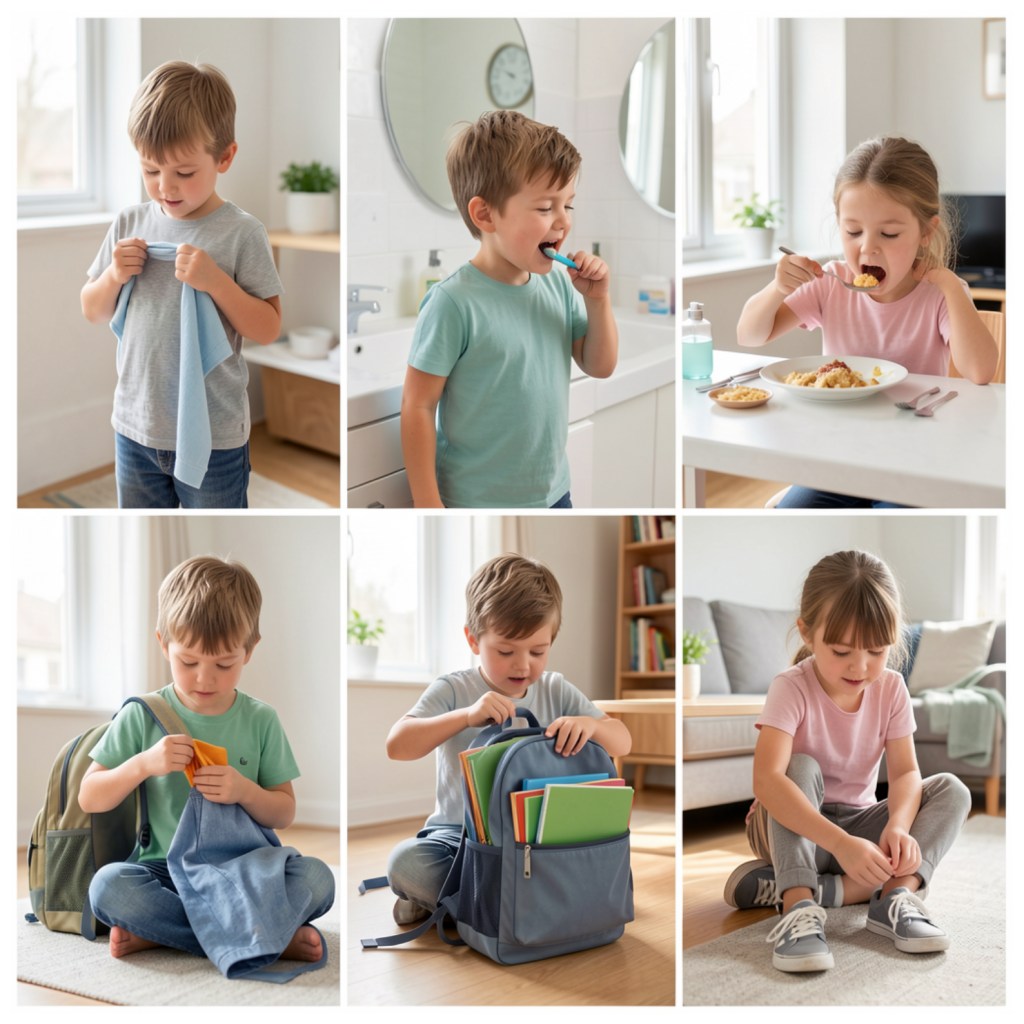
Children often practice building independence in self-care skills such as:
• Dressing and undressing
• Brushing teeth and personal hygiene
• Using utensils during meals
• Packing school bags
• Managing simple morning routines
These everyday activities form important building blocks for confidence and independence.
Building Strong Motor Skills
Motor development plays a crucial role in a child’s ability to function independently. Even simple tasks such as carrying a backpack or opening a lunch container rely on strength, coordination, and control.
Occupational therapy incorporates playful activities designed to strengthen both fine and gross motor skills. Children may engage in activities such as threading beads, squeezing therapy putty, stacking blocks, or completing puzzles. These tasks strengthen hand muscles and improve coordination.
Gross motor activities may include balancing exercises, climbing equipment, or jumping games. These exercises help develop body awareness and stability, which are important for tasks such as sitting upright at a desk or participating in playground activities.
Improving motor skills does more than support physical development. It also allows children to participate more confidently in school and social settings.
When children can comfortably write, draw, or take part in sports and games, they often feel more included and motivated to engage with peers.
Encouraging Sensory Regulation
Many children experience sensory challenges that affect their ability to concentrate or remain calm in busy environments. Loud noises, bright lights, or certain textures may feel overwhelming. In other cases, children may seek additional sensory input through movement or touch.
Occupational therapists help children understand and regulate these sensory responses. Through sensory integration techniques, therapy sessions introduce controlled sensory experiences that help children adapt to different stimuli.
Activities such as swinging, deep pressure exercises, textured play materials, or calming breathing routines can help children regulate their sensory systems. Over time, these experiences help children remain more focused and comfortable in environments such as classrooms or public spaces.
Learning sensory regulation strategies also contributes to emotional independence. When children understand how to manage their reactions to sensory input, they are better equipped to handle challenging situations without becoming overwhelmed.
Strengthening Cognitive and Organizational Skills
Independence also relies on cognitive abilities such as planning, memory, and task organization. These skills help children manage school assignments, follow instructions, and complete multi step activities.
Occupational therapy interventions often incorporate games and structured tasks that encourage problem solving and sequencing. For example, a child may practice following a series of steps to complete a craft activity or cooking task.
These experiences help children develop the executive functioning skills needed to manage responsibilities more independently. Visual schedules, checklists, and structured routines may also be introduced to support daily organization.
Over time, children begin to rely less on external prompts and more on their own internal strategies.
A typical occupational therapy approach to building independence often includes several stages:
Assessment
-Therapists observe the child’s strengths and challenges in daily activities.
Goal Setting
-Individual goals are created based on the child’s needs and family priorities.
Skill Building
-Targeted activities strengthen motor, sensory, and cognitive abilities.
Practice in Real Life
-Skills are applied during everyday routines at home and school.
Gradual Independence
-Support is reduced as the child becomes more confident and capable.
The Importance of Family Involvement
Family participation is a vital part of successful occupational therapy. Parents and caregivers provide valuable insight into the child’s daily routines and challenges, allowing therapists to design interventions that fit naturally into everyday life.
Therapists often share strategies that families can use at home. These may include simple activities that reinforce therapy goals during normal routines such as meal preparation, playtime, or getting ready for school.
For example, a therapist might encourage parents to involve their child in setting the table to practice fine motor skills or sorting laundry to strengthen coordination and sequencing.
When therapy strategies are consistently supported at home, children have more opportunities to practice and reinforce new skills.
Family encouragement also plays an important emotional role. Positive reinforcement helps children feel proud of their efforts and motivates them to keep trying.
Independence in School and Social Settings
School environments present many opportunities for children to practice independence. Tasks such as managing supplies, participating in classroom activities, and interacting with peers require a range of skills.
Occupational therapists often collaborate with teachers to ensure that strategies used during therapy sessions can be applied within the classroom. This may include adjustments to seating arrangements, writing tools, or activity structures that support the child’s success.
Social participation is another important aspect of independence. Children who feel comfortable engaging in group activities or play situations are more likely to build friendships and develop strong communication skills.
Therapy interventions may include role playing, cooperative games, and guided social interactions that help children learn how to take turns, share materials, and express their ideas with confidence.
These experiences help children feel more connected to their peers and encourage them to participate more actively in school life.
Celebrating Progress Along the Way
Developing independence is a gradual process. For some children, progress may appear in small but meaningful steps. Learning to zip a jacket, write their name clearly, or follow a daily routine without reminders are achievements that deserve recognition.
Occupational therapy emphasizes celebrating these milestones. Acknowledging progress helps children understand that their efforts are making a difference.
Therapists often use positive reinforcement to encourage continued practice. Rewards, praise, and supportive feedback help children associate new challenges with positive experiences.
Over time, these moments of success build a strong sense of self confidence that extends far beyond therapy sessions.
Looking Toward the Future
The ultimate goal of occupational therapy is not simply to teach individual skills but to empower children to participate fully in the activities that matter most to them.
As children develop independence, they gain greater control over their daily experiences. They learn that challenges can be approached step by step and that progress is possible with patience and practice.
For families, witnessing this growth can be incredibly rewarding. Small improvements often lead to larger transformations in confidence, communication, and participation.
Occupational therapy provides children with tools that support them throughout their development. By nurturing independence in everyday tasks, it helps lay the foundation for a future where children feel capable, confident, and ready to explore the world around them.
