
The Impact of Occupational Therapy on School Readiness and Focus
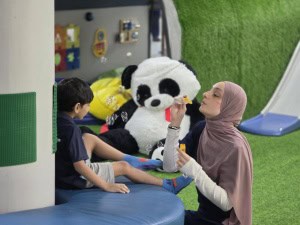
The Impact of Occupational Therapy on School Readiness and Focus
Starting school is a significant milestone in a child’s life. It marks the beginning of structured learning, social interaction, and new routines that shape daily experiences. While some children adjust easily to this transition, others may find it challenging to sit still, follow instructions, manage tasks, or stay focused throughout the day.
School readiness is about much more than knowing letters and numbers. It includes a wide range of skills that help children participate in a classroom environment with confidence. These skills involve attention, emotional regulation, motor coordination, and the ability to manage everyday tasks independently.
Occupational therapy plays an important role in preparing children for these expectations. By focusing on the physical, sensory, and cognitive skills that support learning, occupational therapy helps children build a strong foundation for success in school.
Understanding What School Readiness Really Means
School readiness refers to a child’s ability to engage in classroom activities, interact with peers, and adapt to structured routines. It is not a single skill but a combination of abilities that work together to support learning.
Children who are ready for school can follow simple instructions, participate in group activities, and manage basic self-care tasks such as opening their lunch or organizing their belongings. They are also able to regulate their emotions and maintain attention long enough to complete tasks.
For some children, these abilities develop naturally through play and daily experiences. Others may need additional support to strengthen the skills required for a classroom setting.
Occupational therapy helps identify areas where a child may need guidance and provides targeted activities that build these foundational skills.
The Connection Between Occupational Therapy And Focus
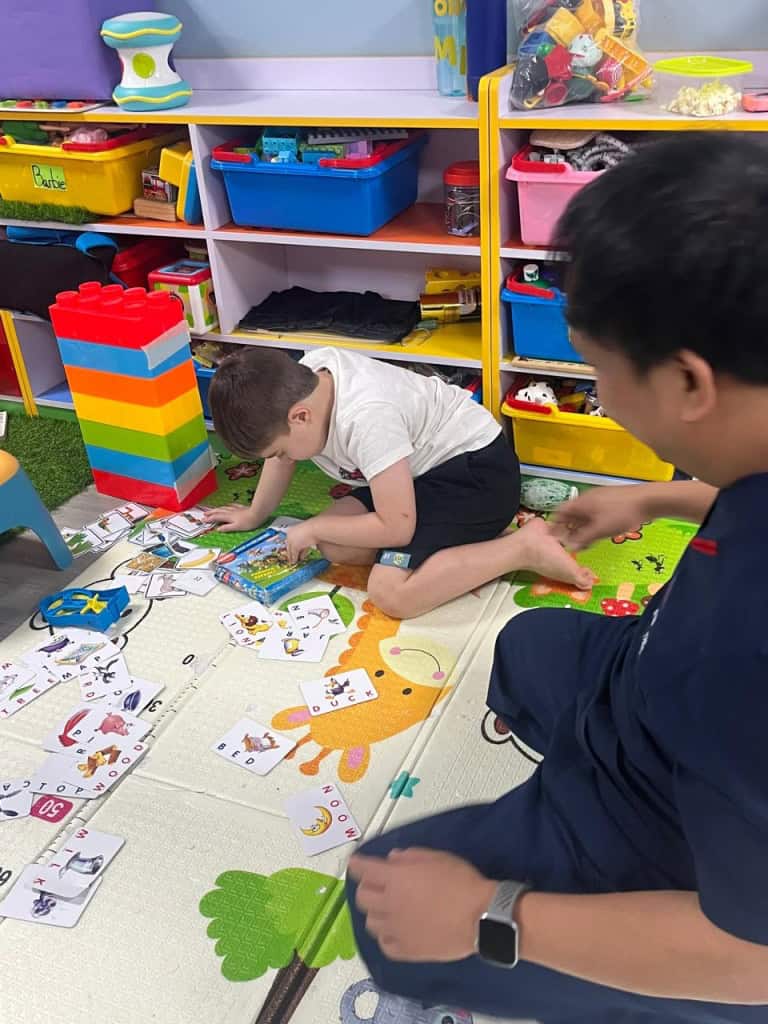
Focus is a key component of learning. In a classroom setting, children are expected to listen to instructions, complete activities, and transition between tasks throughout the day. Maintaining attention during these activities can be difficult, especially for children who experience sensory or developmental challenges.
Occupational therapy addresses the underlying factors that affect focus. These may include sensory processing, motor control, and the ability to regulate energy levels.
For example, a child who is sensitive to noise may struggle to concentrate in a busy classroom. Another child who seeks constant movement may find it difficult to remain seated during lessons. Occupational therapy helps children understand and manage these responses so they can stay engaged.
Therapists often introduce strategies such as movement breaks, calming techniques, and structured routines that support sustained attention.
Over time, children learn how to manage their focus more effectively and participate more comfortably in learning activities.
Building The Foundations Of Fine Motor Skills
Fine motor skills are essential for many classroom tasks. Writing, drawing, cutting, and manipulating small objects all require precise hand movements and coordination.
Children who struggle with fine motor skills may find these activities tiring or frustrating. They may avoid tasks that involve writing or have difficulty keeping up with classroom demands.
Occupational therapy helps strengthen the muscles and coordination needed for fine motor tasks. Activities such as threading beads, using scissors, or working with small objects help develop hand strength and control.
Therapists may also introduce supportive tools such as pencil grips or modified writing surfaces to make tasks more manageable.
As fine motor skills improve, children often become more confident in their ability to complete classroom activities. This confidence encourages participation and supports overall learning.
Developing Posture And Core Strength For Learning
Sitting upright at a desk for extended periods requires core strength and stability. Without this physical foundation, children may struggle to maintain a comfortable posture, leading to restlessness or fatigue.
Occupational therapy includes activities that strengthen the core muscles and improve overall body awareness. These activities may involve balancing exercises, climbing, or movement-based games that engage the whole body.
Improved posture allows children to focus more easily on tasks without being distracted by physical discomfort. It also supports better control of hand movements during activities such as writing or drawing.
When children feel physically stable, they are better able to engage in classroom tasks with sustained attention.
Supporting Sensory Processing For Better Focus
Sensory processing plays a major role in how children respond to their environment. Classrooms can be busy and stimulating, with sounds, lights, and movement happening at the same time.
Some children may feel overwhelmed by this sensory input, while others may seek additional stimulation. Both experiences can affect focus and participation.
Occupational therapists help children develop strategies to manage sensory input more effectively. This may include activities that provide calming input, such as deep pressure or slow movement, or alerting activities that help increase attention.
Children may also learn simple techniques such as taking deep breaths, using quiet spaces, or engaging in brief movement activities to reset their focus.
These strategies help children remain engaged in classroom activities and reduce the impact of sensory distractions.
Encouraging Independence In Daily School Routines
School readiness also includes the ability to manage daily routines independently. Tasks such as packing a bag, opening containers, putting on shoes, or organizing materials are part of a typical school day.
For some children, these tasks can be overwhelming because they involve multiple steps and coordination.
Occupational therapy helps break down these routines into smaller, manageable parts. Children practice each step in a supportive environment until they become more comfortable completing tasks on their own.
Children often work on developing independence in tasks such as:
- Opening lunch boxes and food containers
• Packing and unpacking school bags
• Managing zippers, buttons, and shoes
• Organizing materials during classroom activities
• Following simple daily routines
As children gain independence in these areas, they become more confident and less reliant on adult assistance. This independence allows them to participate more fully in the classroom.
Strengthening Emotional Regulation And Self Control
Emotional regulation is another important part of school readiness. Children need to manage feelings such as frustration, excitement, or anxiety while participating in structured activities.
Occupational therapy helps children recognize their emotions and develop strategies for managing them. This may include learning how to take a break, use calming techniques, or communicate when they need support.
For example, a child who feels overwhelmed during a task may learn to request help or pause briefly before continuing. These strategies help prevent frustration from escalating and allow the child to remain engaged.
As children develop self-control, they are better able to navigate classroom expectations and interact positively with peers.
Creating Routines That Support Learning
Routines provide structure and predictability, which are essential for focus and learning. When children know what to expect, they are more likely to feel comfortable and engaged.
Occupational therapists often help families and educators establish routines that support school readiness. These routines may include consistent morning preparations, structured homework time, or calming bedtime practices.
Within the classroom, predictable schedules help children transition between activities more smoothly. Knowing what comes next reduces uncertainty and allows children to focus on the task at hand.
Consistent routines also reinforce the skills children learn during therapy, making it easier for them to apply these skills in different environments.
Collaboration Between Families And Educators
Supporting school readiness requires collaboration between therapists, families, and educators. Each environment plays a role in reinforcing the skills children need to succeed.
Parents can support development at home by encouraging independence during daily routines and providing opportunities for practice. Teachers can create classroom environments that accommodate different learning needs and support focus.
Occupational therapists often work with both families and educators to share strategies that promote consistency. This collaboration ensures that children receive the same support across different settings.
When everyone works together, children benefit from a unified approach that supports their growth and development.
Recognizing Progress In Small Steps
Progress in school readiness often happens gradually. A child may begin by sitting for a short period and gradually increase their ability to stay focused. Another child may learn to complete a routine with assistance and eventually perform it independently.
Each small step represents meaningful progress. Recognizing these achievements helps build confidence and encourages continued effort.
Therapists and families often celebrate these milestones through positive feedback and encouragement. This reinforcement helps children stay motivated and engaged in their learning journey.
Over time, these small successes lead to significant improvements in focus, independence, and participation.
Preparing For A Positive School Experience
The transition to school is an important step in a child’s development. With the right support, children can approach this experience with confidence and readiness.
Occupational therapy provides practical tools that help children develop the skills needed for classroom success. By addressing focus, motor skills, sensory processing, and daily routines, therapy creates a strong foundation for learning.
Children who feel prepared are more likely to engage with their environment, build relationships with peers, and enjoy the learning process.
Looking Ahead With Confidence
School readiness is not about perfection. It is about helping children develop the skills and confidence needed to participate in their environment.
Occupational therapy supports this process by focusing on the whole child. Through guided practice, supportive strategies, and collaboration with families and educators, children gain the abilities they need to succeed.
As children grow and develop, the skills they build through occupational therapy continue to support their learning and independence. With patience, encouragement, and the right guidance, children can enter school ready to explore, learn, and thrive.
