
Building Everyday Confidence: How Paediatric Occupational Therapy Empowers Children in Dubai
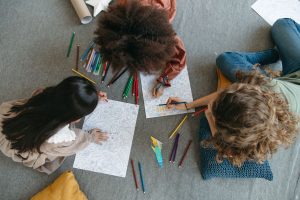
Building Everyday Confidence: How Paediatric Occupational Therapy Empowers Children in Dubai
Confidence is not something children are simply born with; it is built through daily experiences, small wins, and the growing belief that they can interact successfully with the world around them. For a young child, confidence rarely looks like public speaking or grand achievements. Instead, it shows up in everyday moments: tying shoelaces without frustration, holding a pencil comfortably during a school lesson, joining a group game at the park, or sitting through a meal without feeling overwhelmed by sensory input.
When a child struggles with core physical coordination, sensory processing, or self-regulation, these daily tasks can turn into sources of quiet stress. Over time, repeated difficulty with everyday activities can chip away at a child’s self-esteem. They may begin to pull back from challenging activities, avoid peer interactions, or express frustration through emotional meltdowns.
Paediatric occupational therapy provides a gentle, structured pathway to turn these everyday challenges into opportunities for growth. By focusing on foundational developmental skills, sensory integration, and practical daily routines, occupational therapy equips children with the functional abilities and inner resilience they need to navigate their routines with ease and self-assurance.
Understanding the Connection Between Motor Skills and Self-Esteem
Every physical action a child performs requires a complex interaction between the brain, the nervous system, and the musculoskeletal system. From buttoning a school shirt to navigating a busy playground in Dubai, motor skills form the physical foundation of childhood independence.
When motor planning or physical coordination requires excessive effort, a child must dedicate a significant amount of mental energy just to manage physical movement. This leaves less capacity for problem-solving, social engagement, and emotional regulation.
Fine Motor Skills and Academic Confidence
Fine motor development involves the precise control of small muscles in the hands, fingers, and wrists. These skills are essential for fundamental school tasks, including holding cutlery, using scissors, buttoning clothing, and managing handwriting.
When fine motor control is delayed or tiring, classroom activities can quickly become frustrating. A child might notice that their peers finish writing tasks more quickly or produce cleaner artwork. This comparison can lead to feelings of self-doubt.
Occupational therapy supports fine motor refinement through engaging, movement-based activities that build hand strength, finger isolation, and hand-eye coordination. As writing and tool manipulation become more automatic and comfortable, children regain their willingness to participate actively in class without fear of falling behind.
Gross Motor Skills and Social Play
Gross motor skills involve the large muscle groups responsible for balance, posture, running, jumping, and spatial awareness. Physical play forms a major part of how children bond, make friends, and learn teamwork.
A child who struggles with balance or motor planning may find playground equipment intimidating, or they might feel hesitant during physical education sessions. This physical uncertainty can lead to social hesitation, causing the child to stand on the sidelines rather than join in.
Through tailored activities that target core strength, vestibular balance, and bilateral integration, occupational therapy helps children feel secure in their physical bodies. As bodily control improves, children naturally gain the assurance needed to jump into group play and build healthy friendships.
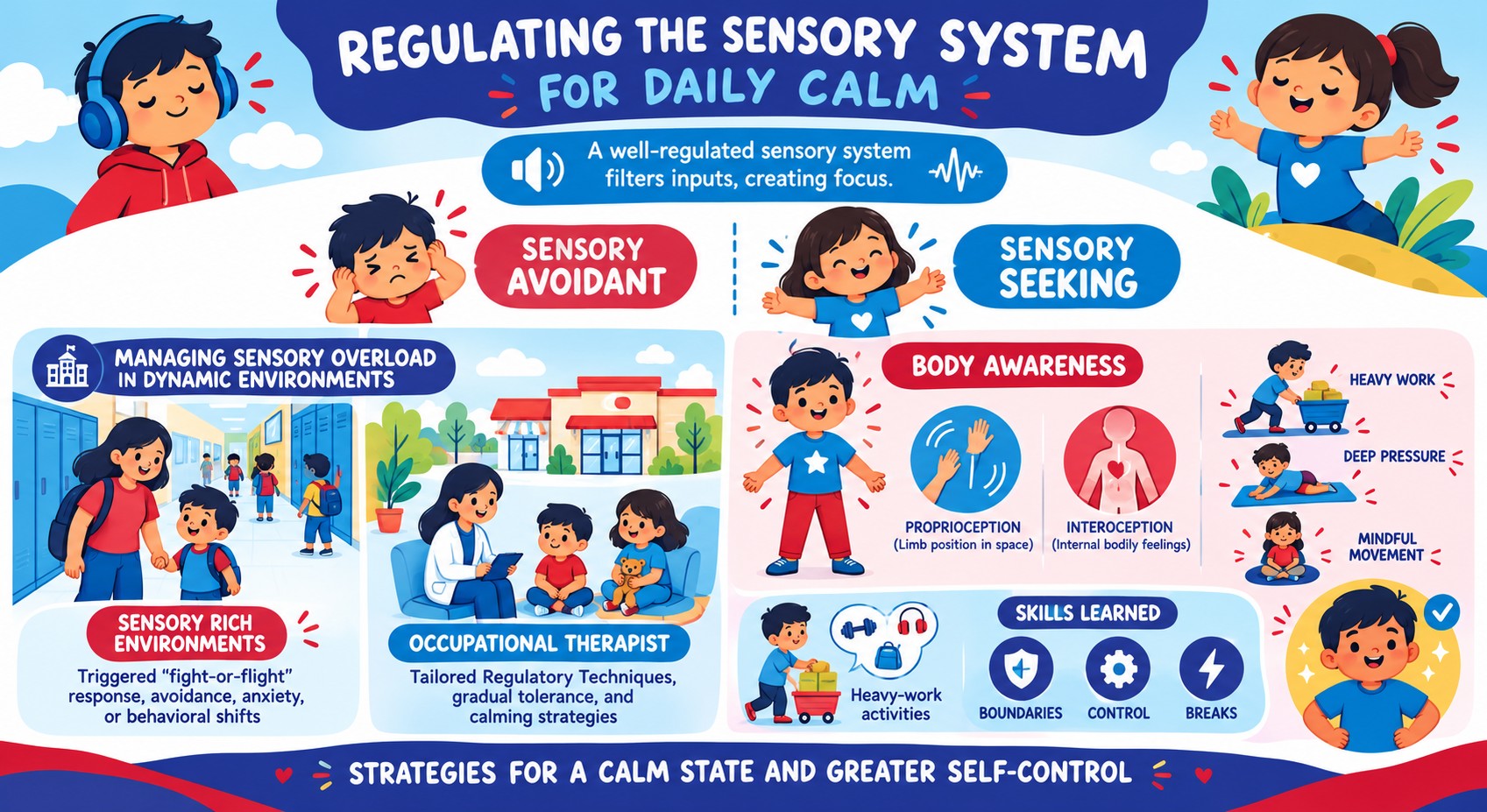
Regulating the Sensory System for Daily Calm
The environment around us is constantly filled with sensory information: sounds, bright lighting, textures, movement, and temperature changes. A well-regulated sensory system acts like a filter, allowing a child to process relevant information while tuning out background noise.
For some children, this filtering system processes information differently. Certain sensory inputs may feel intense, alarming, or uncomfortable, while other sensory signals might be hard to register without extra stimulation.
Managing Sensory Overload in Dynamic Environments
Living in a vibrant, bustling city often means navigating environments rich in sensory input, such as large school corridors, indoor play spaces, and busy shopping centres. For a child with sensory sensitivities, these spaces can trigger an overwhelming flight-or-fight response.
When a child’s nervous system is operating in a state of high alert, feeling confident becomes nearly impossible. They may display avoidance, heightened anxiety, or sudden behavioral shifts as their system tries to protect itself from sensory overload.
Occupational therapists work closely with families to identify specific sensory profiles and introduce tailored regulatory techniques. By gradually building sensory tolerance and introducing calming strategies, children learn how to process environmental input without feeling overwhelmed.
Building Internal Body Awareness
Confidence is deeply connected to how well a child understands their own physical boundaries and internal sensations. Proprioseption, the sense that tells us where our limbs are in space, and interoception, the internal sense of bodily feelings like heart rate or hunger, are fundamental to self-regulation.
When a child has clear internal body awareness, they are better equipped to gauge their physical strength, maintain personal space, and recognize when they need a quiet break. Occupational therapy uses targeted heavy-work activities, deep-pressure input, and mindful movement to strengthen these internal senses, giving children a grounded feeling of self-control.
Practical Strategies Used in Paediatric Occupational Therapy
Occupational therapy is never a one-size-fits-all process. Instead, it relies on evidence-based strategies adapted to each child’s individual strengths, challenges, and daily routines. The ultimate goal is always practical independence: enabling the child to thrive at home, at school, and within their community.
Activity Grading and Just-Right Challenges
One of the most effective principles in occupational therapy is activity grading. This involves breaking a complex skill down into small, achievable steps and adjusting the difficulty level to match the child’s current ability.
This approach creates what therapists refer to as a “just-right challenge.” The task is structured to be challenging enough to promote learning and growth, yet accessible enough to prevent feelings of failure.
- Deconstructing complex tasks: Breaking down a multi-step activity, such as dressing for school, into sequential visual prompts or manageable components.
- Scaffolding support: Providing physical guidance initially, then gradually stepping back as the child gains competence.
- Focusing on incremental wins: Celebrating steady personal progress rather than demanding immediate perfection.
Experiencing consistent, incremental success helps children reframe how they view difficulty. Rather than seeing a new task as an obstacle, they learn to view it as something they can master with time and practice.
Environmental Modifications for Independence
Sometimes, building confidence is not just about changing a child’s skill level, but about adapting the physical environment to support their autonomy. Small modifications in the home or classroom can dramatically reduce daily friction and promote self-reliance.
- Creating organized workspaces: Reducing visual clutter on study desks to help children maintain focus during homework.
- Providing ergonomic seating: Ensuring feet are firmly supported on the floor or a footrest during table tasks to improve posture and hand control.
- Using accessible storage: Placing clothing, toys, and school supplies within easy physical reach so children can pack and clean up independently.
By removing unnecessary physical barriers, children are empowered to take ownership of their personal care and daily responsibilities, reinforcing their identity as capable, independent individuals.
Establishing Predictable Daily Routines
Predictability provides emotional safety. When a child knows what to expect throughout the day, their anxiety levels drop, making room for learning and positive self-expression.
Occupational therapists often help families design structured daily routines that weave in motor practice, sensory breaks, and self-care tasks naturally.
- Visual schedules: Using pictorial charts to outline morning, afternoon, and bedtime sequences, helping children transition between activities smoothly.
- Embedded sensory snacks: Incorporating brief movement breaks, such as jumping on a trampoline or pushing a heavy laundry basket, into the day to keep the nervous system balanced.
- Consistent wind-down rituals: Structuring evening routines with low lighting and deep-pressure activities to prepare the body for restful sleep.
When daily expectations are clear and consistent, children feel secure in their environment, allowing them to approach new experiences with greater calm and curiosity.
Regulating the Sensory System For Daily Calm
The Vital Role of Home and School Collaboration
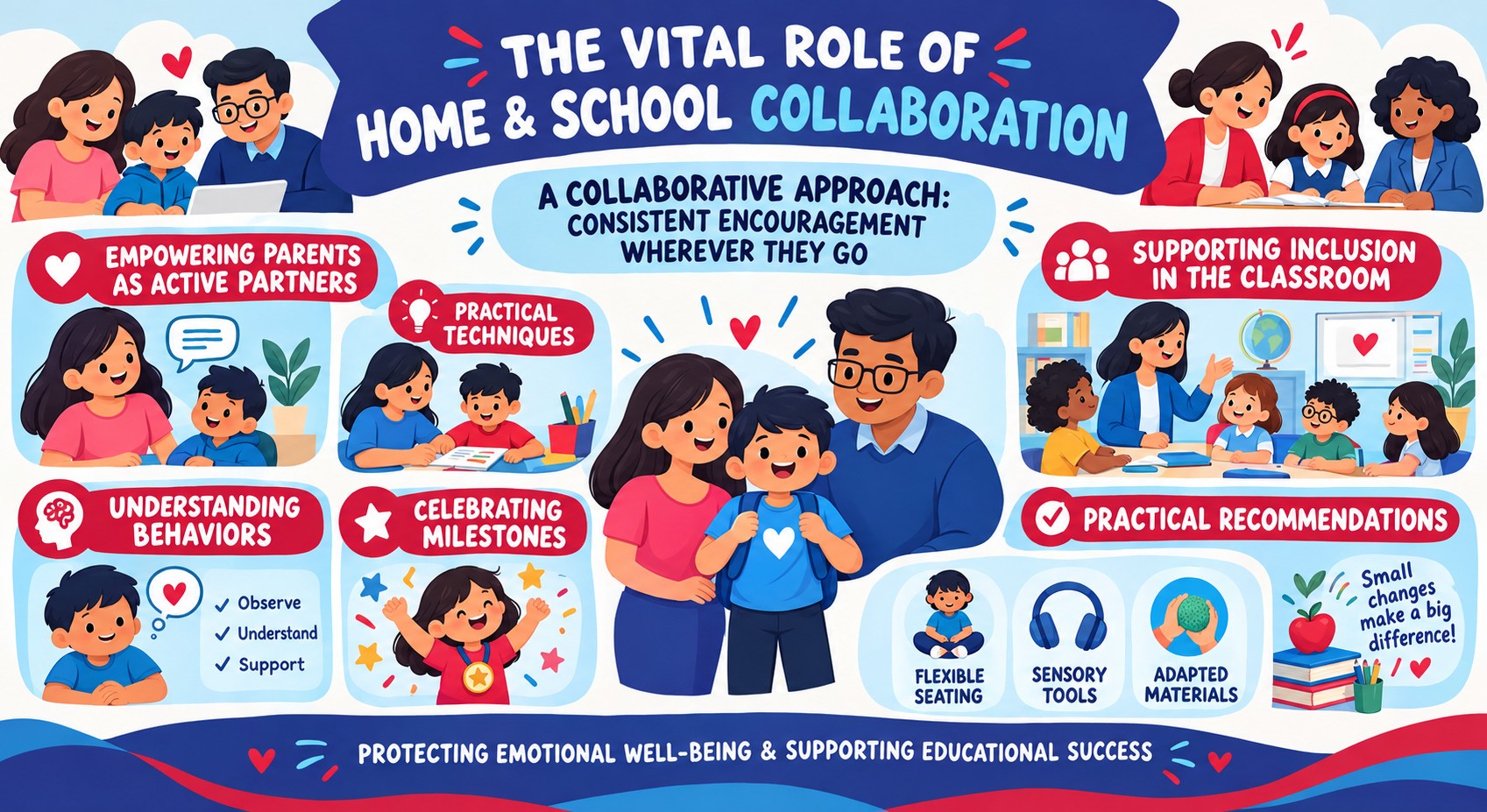
Therapy sessions provide the structured framework for skill development, but real, lasting growth happens when those skills are practiced naturally across everyday settings. A collaborative approach involving therapists, parents, and educators ensures that a child experiences consistent encouragement and understanding wherever they go.
Empowering Parents as Active Partners
Parents are a child’s first and most influential teachers. When families understand the underlying clinical reasons behind certain behaviors or physical struggles, they can respond with empathy and effective home support.
Occupational therapy equips parents with practical, easy-to-use techniques that fit seamlessly into family life. Rather than turning home into a rigid clinical environment, daily activities like set-up for mealtimes, bath time, or tidying up toys are turned into natural, playful learning moments.
By celebrating small daily milestones together, parents build a nurturing home environment where effort is valued and mistakes are viewed simply as steps along the learning journey.
Supporting Inclusion in the Classroom
School is a primary setting where children test and develop their independence. Close collaboration between occupational therapists and teachers helps create inclusive classroom spaces where every student can engage fully.
Therapists can offer practical recommendations for classroom adjustments that support a child’s unique learning needs without drawing negative attention to them.
- Flexible seating solutions: Recommending movement cushions or wobble stools to help energetic learners stay focused during group instruction.
- Targeted sensory toolkits: Introducing subtle sensory items, like stress balls or textured desk strips, that help children self-regulate during quiet work periods.
- Adapted learning materials: Providing pencil grips, slant boards, or specialized paper to ease handwriting strain.
When educators and therapists align their strategies, children experience a smooth continuity of care that protects their emotional well-being and supports their educational success.
The Vital Role of Home & School Collaboration
Nurturing Resilience and Long-Term Self-Advocacy
Ultimately, the true goal of paediatric occupational therapy extends beyond improving physical coordination or sensory processing. It is about nurturing an inner sense of resilience—the understanding that while some tasks may be difficult, a child possesses the tools, strategies, and support needed to work through them.
As children master new physical and sensory skills, they experience a natural shift in their self-perception. They transition from viewing themselves as individuals who struggle into seeing themselves as active, capable problem-solvers.
This positive shift fosters self-advocacy. A confident child learns to recognize their own needs and communicate them clearly, whether that means asking a teacher for a quiet break, requesting extra time on a task, or inviting a peer to play.
When we give children the foundation to feel comfortable in their own bodies and capable in their environments, we give them a gift that lasts far beyond childhood. We provide them with the lasting self-belief needed to explore their world with joy, curiosity, and genuine confidence.
