
Building Confidence and Independence Through Occupational Therapy in Dubai
Building Confidence and Independence Through Occupational Therapy in Dubai
Confidence and independence are two essential pillars of personal growth, daily fulfillment, and lifelong well-being. For individuals navigating developmental differences, physical challenges, sensory processing needs, or motor skill hurdles, mastering daily tasks can sometimes feel like a daunting journey. Every routine action, from tying shoelaces and holding a utensil to managing emotional responses during a busy school day, requires a complex interplay of physical strength, sensory integration, cognitive planning, and emotional resilience. When one or more of these elements present challenges, everyday tasks can turn into sources of frustration, impacting a person’s self-esteem and sense of agency.
Occupational therapy plays a transformative role in bridging these gaps. By evaluating individual strengths, identifying underlying sensory or functional obstacles, and designing targeted interventions, therapy empowers individuals to participate fully in home life, school environments, and broader community settings. In a vibrant, diverse, and fast-growing city where families seek high-quality care and holistic support, accessing professional guidance tailored to personal needs is vital.
Understanding how therapy fosters independence helps families, educators, and individuals appreciate the steady, meaningful progress that occurs over time. Through personalized support, compassionate instruction, and evidence-based techniques, therapeutic intervention transforms daily obstacles into achievable milestones, laying a foundation for lasting confidence.
Understanding Occupational Therapy and Its Impact
Occupational therapy is a health profession focused on helping people across all life stages participate in the tasks and activities that matter most to them. In healthcare, the word occupation does not refer strictly to a job or profession. Instead, it encompasses all the daily activities that give life meaning, purpose, and structure. For a young child, occupations include playing with peers, exploring new environments, holding crayons, and getting dressed. For older children and adults, these activities expand to include academic performance, social interaction, self-care routines, and environmental navigation.
When individuals encounter difficulties with these activities, the underlying cause is rarely a lack of effort or desire. More often, challenges stem from subtle complexities in fine motor coordination, gross motor stability, sensory integration, visual-spatial awareness, or executive functioning skills. Therapy addresses these foundational areas directly, breaking down complex routines into manageable, step-by-step processes.
The primary objective of therapy is never to enforce rigid conformity or rapid changes. Rather, it centers on supporting personal autonomy, enhancing functional capabilities, and building sustainable skills. By assessing how an individual interacts with their physical and social surroundings, therapists create tailored strategies that adapt the environment or teach new techniques, ensuring that each person experiences success and builds genuine self-belief.
Core Pillars of Personal Development in Therapy
Building independence is a multifaceted process requiring attention to physical, sensory, and cognitive health. Through structured activities and play-based learning, individuals develop a wide array of skills that work together to enhance daily functioning.
Sensory Processing and Emotional Regulation
Every moment of the day, our sensory systems receive vast amounts of information from the environment. Sounds, light, movement, touch, and deep body sensations are constantly processed by the brain to help us understand our surroundings and keep us safe. For many individuals, sensory input can be experienced intensely or processed in ways that make typical environments feel overwhelming. High noise levels in a classroom, the texture of certain clothing, or bright lighting can trigger stress, anxiety, or physical discomfort.
Therapeutic support in sensory processing focuses on helping individuals understand and regulate these sensory experiences. Therapists design structured activities that provide appropriate sensory inputs, helping calm an overstimulated nervous system or gently stimulate a passive one. Over time, individuals learn self-regulation tools, such as using weighted lap pads, taking purposeful sensory breaks, or employing deep-pressure strategies. As sensory comfort improves, attention span expands, stress levels decrease, and emotional stability flourishes, creating a grounded foundation for tackling daily tasks with ease.
Fine Motor and Gross Motor Skill Mastery
Motor skills form the physical infrastructure for independence. Gross motor skills involve large muscle groups responsible for balance, core stability, posture, coordination, and spatial awareness. Without strong core stability, sitting upright at a desk for extended periods or running safely on a playground can consume immense energy, leading to physical fatigue and reduced concentration.
Fine motor skills, on the other hand, require precise control of the smaller muscle groups in the hands, fingers, and wrists. These skills are essential for handwriting, cutting with scissors, managing zippers, turning pages, and using cutlery. Therapy addresses motor development through targeted, engaging exercises disguised as purposeful play. By building hand strength, enhancing eye-hand coordination, and refining bilateral integration, individuals gain physical confidence. Tasks that once required constant assistance gradually become effortless routines, fostering a proud sense of personal accomplishment.
Cognitive Planning and Executive Functioning
Executive functioning skills act as the brain’s management system. They include planning, organization, working memory, impulse control, time management, and flexible thinking. A person might possess the physical capacity to complete a task, such as packing a backpack or completing homework, but may struggle significantly with where to begin, how to organize the steps, or how to maintain focus until completion.
Therapists work closely with individuals to introduce visual schedules, structured routines, task-analysis checklists, and physical organization strategies. By externalizing complex sequences into clear, visible steps, cognitive overwhelm is reduced. Individuals learn how to break large projects into small, achievable goals, develop problem-solving strategies when obstacles arise, and build self-monitoring habits that directly promote academic, personal, and life success.
Core objectives of Myofunctional therapy
Tailored Strategies for Unique Life Stages
Developmental needs evolve significantly as an individual grows, necessitating flexible, age-specific therapeutic approaches.
Unique Life Strategies
Early Intervention and Childhood Exploration
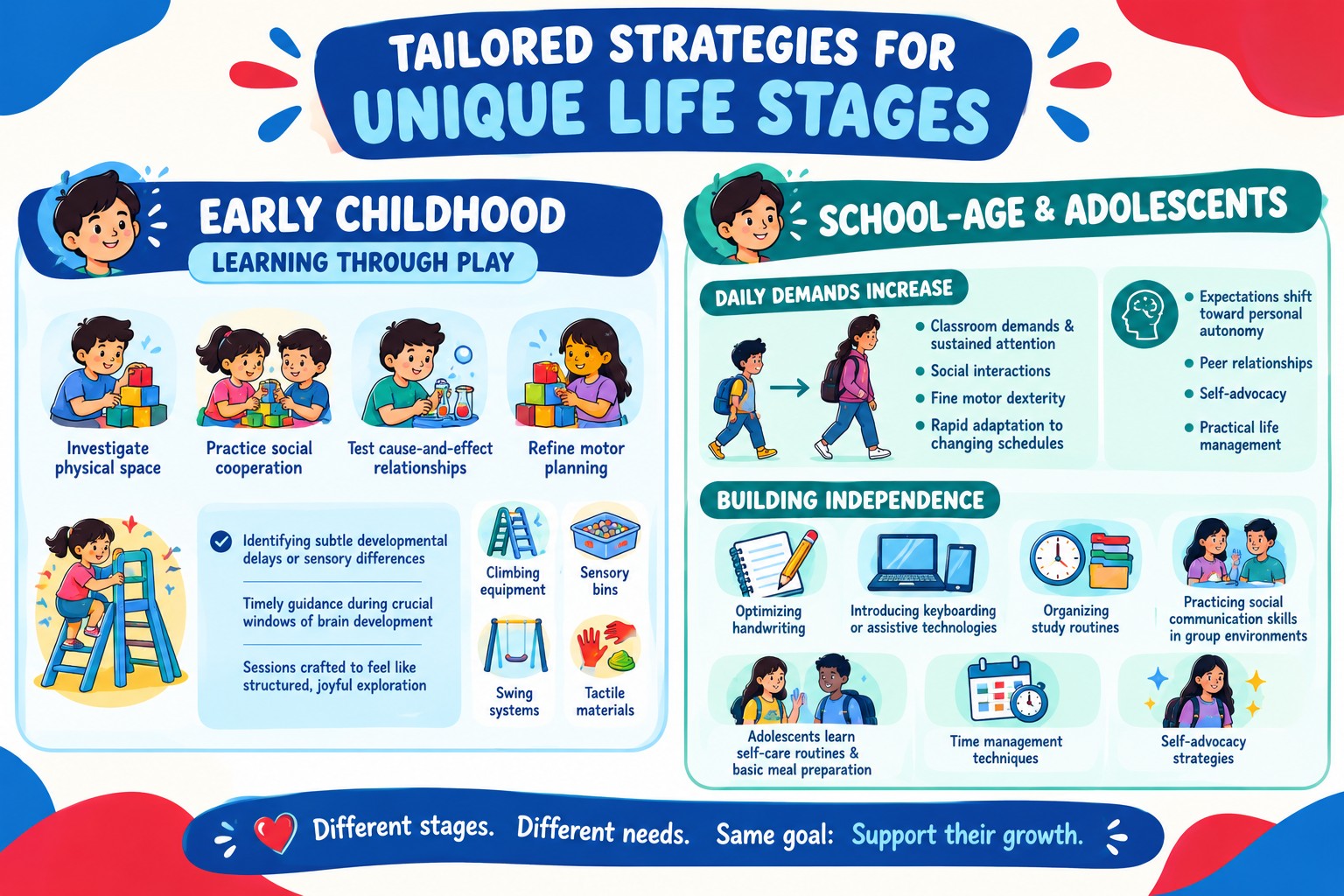
During early childhood, play is the principal vehicle for learning and exploration. Through play, young children investigate their physical space, practice social cooperation, test cause-and-effect relationships, and refine motor planning. Early intervention focuses on identifying subtle developmental delays or sensory differences as soon as they appear, providing timely guidance during crucial windows of brain development.
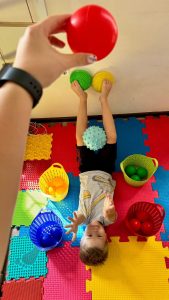
In these early years, sessions are crafted to feel like structured, joyful exploration. Therapists utilize climbing equipment, sensory bins, swing systems, and tactile materials to encourage natural curiosity. By transforming challenging tasks into engaging games, children develop core physical and emotional capabilities without feeling pressured or frustrated. Early support helps prevent secondary challenges, such as low self-esteem or behavioral frustration, setting a positive trajectory for upcoming academic and social milestones.
Supporting School-Age Children and Adolescents
As children transition into school environments, daily demands increase dramatically. Classrooms require sustained attention, complex social interactions, fine motor dexterity for writing, and rapid adaptions to changing schedules. For adolescents, expectations shift toward personal autonomy, peer relationships, self-advocacy, and practical life management.
Therapeutic intervention for school-age individuals focuses on functional independence aligned with academic and daily environments. Strategies may include optimizing handwriting mechanics, introducing keyboarding or assistive technologies, organizing study routines, and practicing social communication skills in group environments. Adolescents learn self-care routines, basic meal preparation, time management techniques, and self-advocacy strategies, helping them navigate complex social settings with assurance and self-worth.
Fostering Collaborative Care and Supportive Environments
Therapeutic progress is most resilient when supported by a cohesive network of care, bringing together family members, educators, and multidisciplinary healthcare professionals.
Home Integration and Family Empowerment
Progress achieved during therapy sessions reaches its full potential when integrated into everyday life at home. Families play an essential role in reinforcing skills, creating supportive environments, and celebrating everyday milestones. Therapists collaborate closely with parents and caregivers, offering practical guidance, home routine adjustments, and personalized strategies that seamlessly fit into daily family rhythms.
Rather than adding complex tasks to a family’s busy schedule, therapy often recommends simple, high-impact environmental adaptations. These might include:
- Setting up quiet, organized spaces dedicated to quiet time or homework.
- Using visual schedules or check-in charts to streamline morning and bedtime routines.
- Selecting specialized seating or supportive utensils during family mealtimes.
- Encouraging age-appropriate self-care responsibilities, such as dressing or setting the table.
When families feel equipped with knowledge and strategies, home life becomes more harmonious, and individuals receive consistent, positive reinforcement that strengthens their emerging independence.
Collaboration with Schools and Educators
Children spend a substantial portion of their week in school settings, where environmental demands can vary widely from classroom to playground. Effective therapy often involves working in harmony with educators, school counselors, and learning support specialists to ensure consistent strategies across all settings.
Therapists provide valuable insight into classroom ergonomics, sensory-friendly accommodations, and modified learning techniques. Simple changes—such as providing a flexible seating option, breaking down multi-step instructions into visual prompts, or allowing brief movement breaks—can transform a student’s classroom experience. This collaborative approach ensures that students feel supported, understood, and included throughout their educational journey.
Evaluating Progress and Maintaining Long-Term Growth
Measuring success in therapy is a thoughtful, individualized process that looks beyond immediate skill acquisition to focus on functional, long-term empowerment.
Comprehensive Assessment and Objective Setting
Every therapeutic journey begins with a thorough clinical assessment. Qualified healthcare professionals utilize standardized tools, structured clinical observations, and detailed parent or individual consultations to gain a holistic view of the person’s unique profile. Strengths, areas of difficulty, sensory preferences, and functional goals are systematically documented.
Collaborative goal setting ensures that therapy targets outcomes that hold genuine meaning for the individual and family. Goals are structured around functional milestones, such as independently managing personal belongings, participating comfortably in group activities, or improving pencil grip for stress-free writing. Progress is reviewed periodically, adjusting goals as the individual grows and masters new capabilities.
| Focus Area | Key Observational Metrics | Functional Daily Impact |
| Sensory Processing | Tolerance to environmental sounds, self-calming ability, engagement in tactile tasks | Reduced stress during transitions, improved focus in group settings |
| Fine Motor Skills | Pencil grip precision, hand strength, dexterity with fasteners | Independent dressing, smoother handwriting, confidence in crafts |
| Gross Motor Skills | Core stability, balance duration, physical coordination | Participation in sports, comfortable posture during desk work |
| Executive Functioning | Task initiation, organization of materials, self-monitoring | Independent homework completion, organized personal space |
Cultivating Self-Advocacy and Lifelong Confidence
The ultimate goal of therapy is to help individuals build confidence, recognize their unique strengths, and advocate for their own needs. True independence does not mean managing everything without help; rather, it involves understanding oneself, knowing when to seek support, and having the tools to navigate challenges effectively.
As individuals gain mastery over daily activities, their internal narrative shifts from self-doubt to self-efficacy. They begin to recognize their progress, celebrate personal accomplishments, and approach new challenges with curiosity rather than anxiety. This sense of pride and autonomy extends far beyond specific physical or cognitive skills, positively shaping personal interactions, academic pursuits, and future aspirations.
Choosing the Right Professional Support
Seeking therapeutic support is an empowering decision for any family or individual aiming to enhance quality of life and daily independence. When exploring therapy options, selecting a licensed, experienced care provider is vital for ensuring evidence-based, compassionate care.
Healthcare professionals in Dubai operate under clear regulatory guidelines established by local health authorities to protect patient safety and maintain high standards of practice. When choosing a clinic or practitioner, consider the following factual criteria:
- Professional Credentials: Ensure that therapists hold valid professional licenses issued by the appropriate healthcare regulatory body, such as the Dubai Health Authority (DHA).
- Comprehensive Assessments: Look for facilities that offer thorough, individualized evaluation processes before initiating intervention.
- Multidisciplinary Environment: Facilities that foster collaboration between occupational therapists, speech and language therapists, and developmental specialists provide holistic care under one roof.
- Family-Centered Philosophy: Choose practices that prioritize parent education, regular progress updates, and actionable home-based strategies.
Taking time to research qualified providers ensures that your family receives professional, ethical, and personalized support tailored to your unique circumstances and developmental goals.
Empowering Every Step of the Journey
Building confidence and independence is a gradual, deeply rewarding process that unfolds step by step. Through personalized occupational therapy, individuals acquire essential life skills, learn to regulate sensory experiences, master fine and gross motor tasks, and develop executive strategies that make daily routines manageable and enjoyable.
Every milestone achieved—no matter how small it may initially seem—represents a significant victory on the path toward self-reliance. With professional guidance, collaborative family involvement, and a supportive environment, individuals are empowered to unlock their true potential, navigate life’s routines with confidence, and participate fully in the world around them.
To explore how tailored therapeutic support can assist your family’s unique developmental goals, learn more about our professional services or speak with a qualified healthcare professional today. Your healthcare professional can assess whether specific options are suitable for your individual needs, helping you create a clear, personalized path forward.
