How Occupational Therapy Helps Children Manage Sensory Overload

How Occupational Therapy Helps Children Manage Sensory Overload
The world is a vibrant, bustling mix of sights, sounds, textures, and movements. For most adults, the brain automatically filters out the background hum of an air conditioner, the flicker of a fluorescent light, or the texture of a clothing tag. However, for many young children, this natural filtration system works a bit differently. Instead of background noise staying in the background, every single sensory input rushes in at maximum volume all at once.
When a child experiences this intense influx of information, it can feel completely overwhelming. It can lead to sudden changes in behavior, deep distress, or a total withdrawal from activities. Families navigating these challenges often look for sustainable, gentle ways to help their children find balance and comfort in their daily environments.
Occupational Therapy in Dubai offers a highly effective, supportive pathway for these families. By focusing on how a child processes the world around them, dedicated specialists help children build the tools they need to navigate complex sensory environments with confidence and ease.
Understanding The Mechanics Of Sensory Overload
To truly appreciate how Occupational Therapy supports a child, it helps to look closely at what actually happens during moments of sensory overload. The human body relies on an intricate network of systems to understand its surroundings. Beyond the traditional five senses of sight, sound, smell, taste, and touch, there are internal systems that track balance, movement, and bodily awareness.
In a typical scenario, the brain receives signals from these various systems, prioritizes the most important information, and discards the rest. For instance, while sitting in a classroom, a child needs to focus primarily on the teacher’s voice and the words on the board. The feeling of the chair against their back or the distant sound of traffic outside should ideally fade into the background.
When a child experiences sensory overload, the brain struggles to sort and prioritize these incoming signals. Every piece of data is treated as an urgent, high-priority alert. The rustle of a peer’s paper feels just as loud as the teacher’s instruction, and the brightness of the overhead lights feels incredibly intense. This creates a state of neurological traffic control failure, leaving the child feeling stuck in a world that is simply too loud, too bright, and too fast to manage.
Recognizing The Signs Of Sensory Overload In Children
Every child is entirely unique, and the way they express distress can vary significantly based on their personality, their environment, and their specific sensory profile. Some children react to an overwhelming environment by externalizing their discomfort, while others internalize it completely.
Active Behavioral Responses
For some children, an overstimulating environment triggers a classic survival response. When the nervous system feels attacked by sensory input, it fights back or attempts to flee. This can look like:
- Covering ears or eyes suddenly in crowded spaces
- Refusing to wear certain types of clothing or shoes
- Expressing intense distress during routine grooming tasks like hair washing or nail clipping
- Displaying sudden, intense emotional outbursts that seem disproportionate to the situation
- Running away from busy areas, such as birthday parties or shopping centers
Passive Or Avoidant Responses
Other children respond to the exact same neurological stress by shutting down to protect themselves. This can sometimes be harder to spot because it does not disrupt the room in the same way an outburst does. These signs include:
- Becoming unusually quiet, passive, or disconnected during group activities
- Experiencing unexplained fatigue or lethargy in busy environments
- Refusing to try new foods, textures, or playground equipment
- Fixating intensely on a single, repetitive activity to tune out the rest of the room
- Struggling to respond when their name is called, even though their hearing is perfectly fine
Understanding these signs is the very first step toward providing meaningful help. Rather than viewing these behaviors as simple non-compliance or poor choices, Occupational Therapy views them as honest, physical communications of comfort and discomfort.
The Core Philosophy Of Occupational Therapy
Occupational Therapy is rooted in a beautifully simple concept: helping individuals participate fully in the daily activities that give life meaning and structure. For a child, their primary occupations are playing, learning, making friends, and participating in family routines like eating and dressing.
When sensory challenges get in the way of these foundational activities, an Occupational Therapist steps in to bridge the gap. The goal is never to change who the child is or to force them to tolerate discomfort through sheer willpower. Instead, the focus is on understanding the child’s specific neurological preferences, adapting the environment to support them, and helping them develop natural, effective coping strategies.
Through playful, evidence-based interventions, therapy helps reshape how the brain interprets and responds to sensory data over time. It creates a safe space where a child can explore movement, touch, and sound at their own pace, building up their resilience and comfort level step by step.
Tailoring The Approach For Every Individual Child
There is no single formula that works for every child because every nervous system is put together a little differently. A thorough assessment by an Occupational Therapy specialist is essential to map out a child’s specific sensory profile. Generally, children fall into a few broad categories based on how they process information, though many individuals show a mix of different traits depending on the day and the setting.
Supporting The Sensory Sensitive Child
Some children possess highly sensitive nervous systems that register even the tiniest amounts of input. For these individuals, a whisper can feel like a shout, and a light touch can feel like a painful scratch. Therapy for a sensitive child involves gently slowing down the world. Specialists work on creating predictable environments, introducing new sensations gradually, and teaching the child how to advocate for their needs, such as asking for a quiet break before they become completely overwhelmed.
Supporting The Sensory Seeking Child
On the flip side, some children have a high threshold for stimulation. Their brains require an enormous amount of input just to feel alert and grounded. These are the children who love to crash into furniture, spin in circles, jump constantly, and touch every object they pass. For a sensory seeker, therapy focuses on providing safe, structured, and highly organizing ways to get that movement. Instead of telling them to sit still, a therapist provides them with the right kind of physical input so their body finally feels satisfied and calm.
Practical Strategies Used In Occupational Therapy
When you walk into a dedicated therapy space, it often looks less like a clinic and more like an inviting, specialized indoor playground. Every piece of equipment is chosen with a distinct therapeutic purpose in mind. Therapists use these tools to create tailored experiences that help regulate the nervous system.
Deep Pressure And Proprioceptive Activities
The proprioceptive system involves the receptors in our muscles and joints that tell us where our body is in space. Activities that activate these receptors have a naturally calming, grounding effect on the central nervous system. Therapists often use heavy work activities to help soothe an overstimulated child. This might include:
- Pushing or pulling weighted carts and heavy play blocks
- Climbing up specialized foam structures or rock walls
- Participating in deep pressure squeezes using soft mats or large therapy balls
- Wearing comfortably weighted vests or using lap pads during seated tasks
Vestibular Integration
The vestibular system, located in the inner ear, regulates our sense of balance and spatial orientation. Controlled movement can radically alter a child’s arousal level. Rhythmic, linear swinging back and forth tends to quiet down an overactive brain, while erratic, spinning movements can wake up a sluggish system. Therapists carefully monitor a child’s subtle physical responses, such as their breathing and eye movement, to ensure the vestibular input is perfectly balanced.
Tactile Exploration
For children who struggle with textures, tactile play helps desensitize the protective reflexes of the skin. Therapists use sensory bins filled with materials like dry rice, beans, water beads, or shaving cream. By exploring these textures within a playful, pressure-free context, children learn that novel sensations are safe, reducing the likelihood of a defensive reaction when they encounter unexpected textures in daily life, like sticky food or messy art supplies.
Creating A Supportive Home Environment
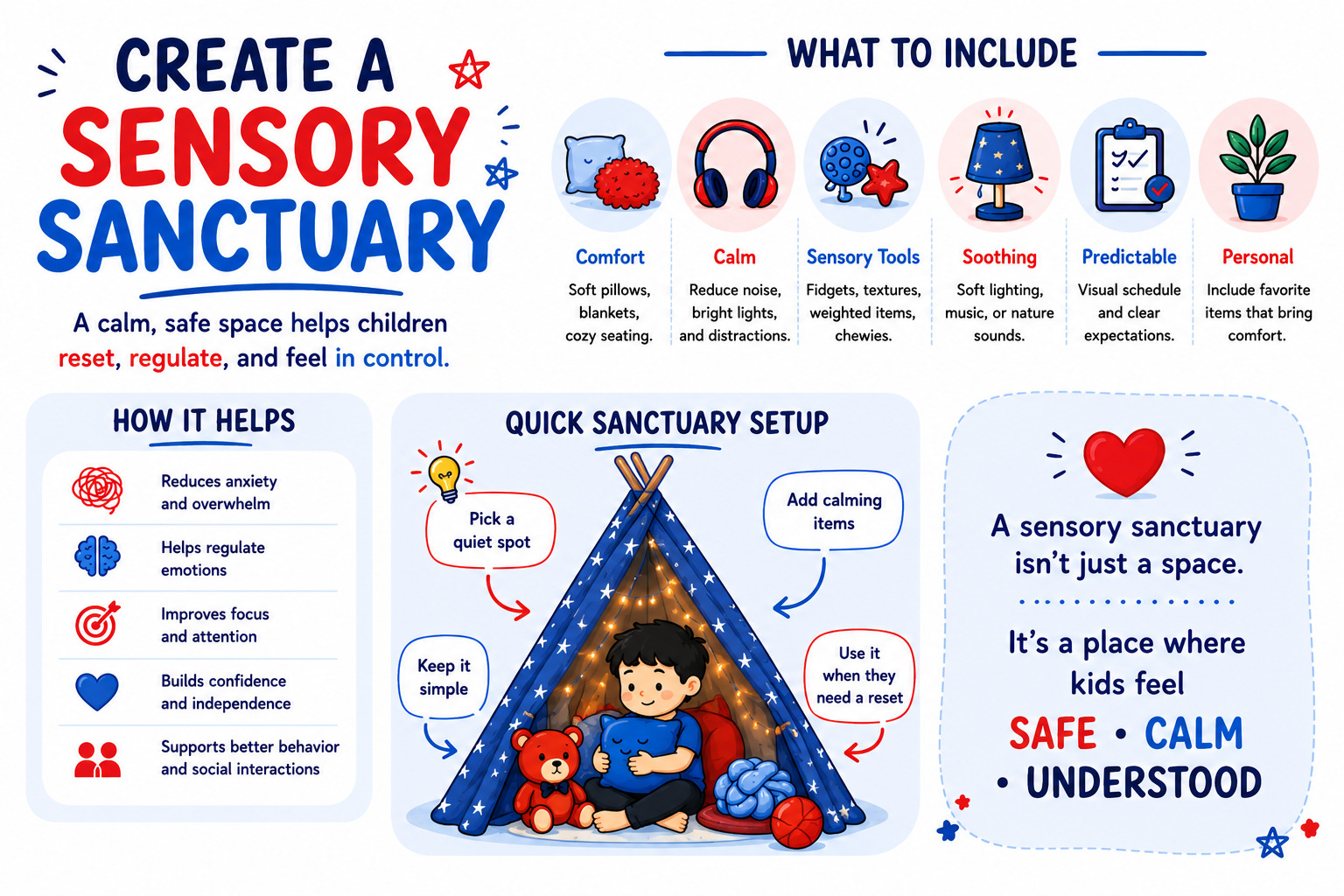
While sessions with a specialist are incredibly valuable, the real magic happens when therapeutic principles are woven into the fabric of daily family life. Parents can partner with Occupational Therapists to transform their homes into sanctuary spaces that actively prevent overload before it starts.
Establishing Predictable Routines
Anxiety and sensory challenges frequently go hand in hand. When a child does not know what is coming next, their nervous system stays on high alert, making them much more susceptible to overload. Creating clear visual schedules and offering ample warnings before transitioning from one activity to another gives children a sense of control, which helps keep their baseline stress levels wonderfully low.
Designing A Quiet Recovery Zone
Every home can benefit from a dedicated quiet corner. This is not a place for time-outs or punishment, but rather a comforting escape hatch where a child can go willingly when they feel the world getting a bit too intense. Fill this space with plush cushions, comforting blankets, noise-canceling headphones, and a few calming visual items like a slow-moving liquid timer.
Navigating The Community And School Settings
Helping a child manage sensory challenges extends far beyond the walls of the home. True success involves empowering the child to step out into schools, parks, and shopping spaces comfortably. Occupational Therapists act as wonderful advocates, collaborating closely with educators and community leaders to build supportive environments everywhere.
Simple Classroom Accommodations
In a school setting, small environmental tweaks can make a massive difference in a child’s ability to focus and learn. Therapists often recommend simple adjustments such as:
- Seating the child away from loud air conditioning units or busy doorways
- Allowing the use of a discreet wiggle cushion on their chair to satisfy the need for movement
- Providing short, structured movement breaks between academic lessons
- Utilizing noise-reducing headphones during loud school assemblies or cafeteria lunches
Heading Out Into The Community
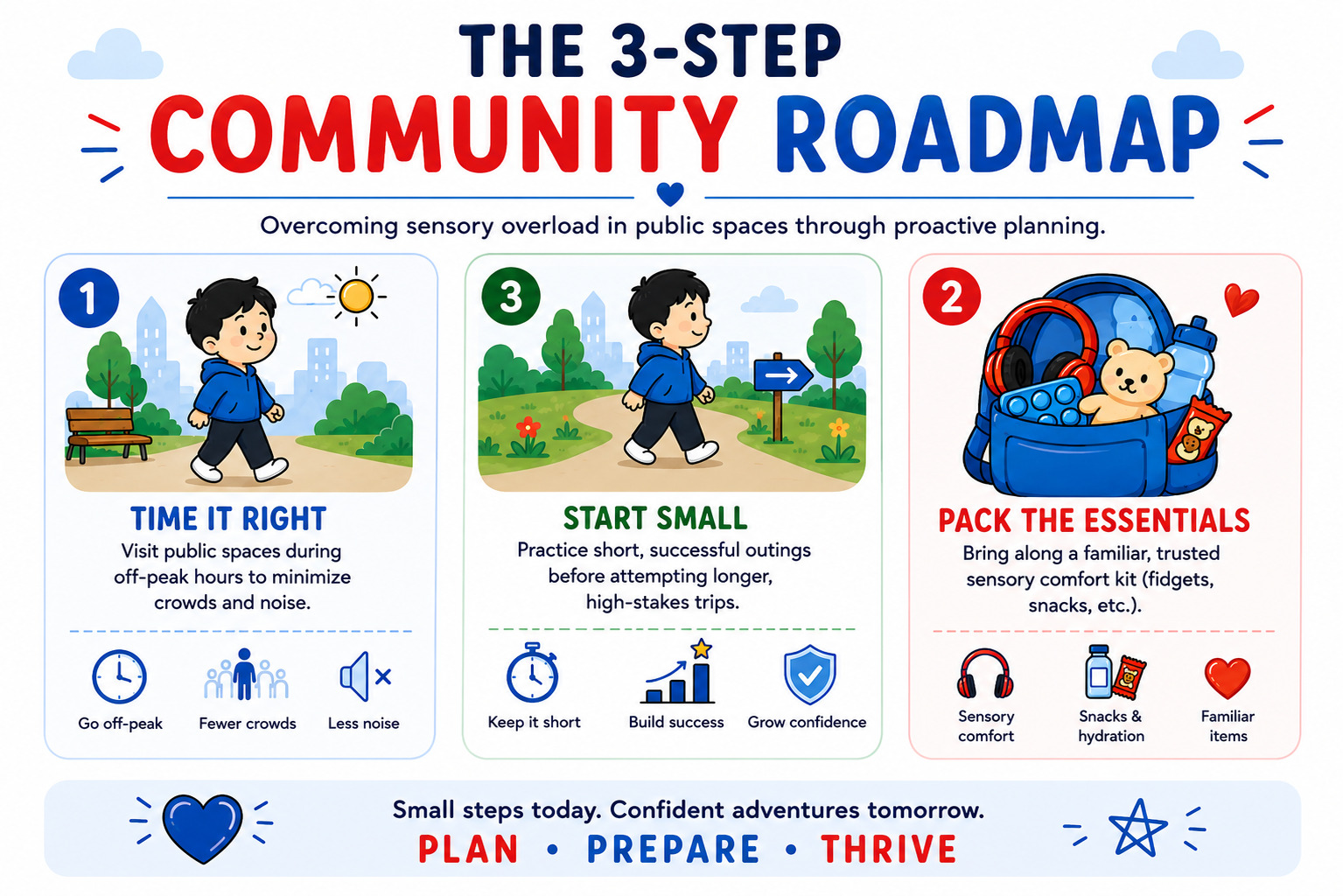
Going to the grocery store or a family gathering can feel daunting when you are parenting a child who experiences sensory overload. Therapists help families plan ahead by identifying potential triggers and creating step-by-step strategies. This might include visiting public spaces during off-peak hours, bringing along a familiar sensory comfort kit, or practicing short, successful outings before attempting longer trips.
Building Long Term Resilience And Independence
The ultimate goal of Occupational Therapy is to hand the keys of self-regulation over to the child as they grow. As children begin to understand their own unique profiles, they transform from passive participants into active self-advocates.
An older child might learn to say, “It is too loud in here for me right now, can I step outside for a moment?” or realize on their own that they need to jump on a trampoline for ten minutes before sitting down to complete their homework. This self-awareness is an incredible gift that serves them beautifully throughout their entire life.
By focusing on strengths, celebrating small victories, and treating every behavioral challenge with deep empathy and scientific understanding, Occupational Therapy turns what once felt like an insurmountable obstacle into a completely manageable part of a full, joyous life.
Taking The Next Step For Your Family
If you notice that your child routinely struggles to cope with everyday sounds, textures, or busy environments, please know that you do not have to figure out the path forward all on your own. It is completely normal to feel uncertain about how to help, but expert guidance is readily available to support your family’s journey.
By connecting with a specialized team, you gain a clear, compassionate partner dedicated to uncovering your child’s true potential. Through individualized Occupational Therapy Dubai, your family can look forward to calmer routines, happier transitions, and a shared confidence that allows your child to explore, learn, and grow beautifully in the world around them.