
Integrating Mindfulness Into Daily Occupational Therapy Practices

Integrating Mindfulness Into Daily Occupational Therapy Practices
Life has a way of pulling us in countless directions. Our minds often race, caught between past regrets and future anxieties, making it hard to truly engage with the present moment. For many, this mental clutter isn’t just a fleeting feeling; it significantly impacts their ability to participate fully in daily life. This is precisely where the profound wisdom of mindfulness finds a natural home within the practical, client-centered approach of occupational therapy.
Occupational therapy is all about helping people engage in the meaningful activities (occupations) that fill their lives, whether that’s getting dressed, returning to work, or enjoying a hobby. It’s a profession deeply rooted in function and participation. Mindfulness, at its core, is the practice of paying attention to the present moment, on purpose and non-judgmentally. At first glance, one might seem like practical application and the other like a meditative philosophy. However, when these two disciplines merge, they create a powerful synergy that enhances client outcomes, strengthens therapeutic relationships, and enriches the practice of occupational therapy itself.
The Natural Alignment A Holistic Approach
Occupational therapy has always embraced a holistic view of the person, recognizing that physical, cognitive, emotional, and social factors all influence an individual’s ability to engage in life. Mindfulness fits seamlessly into this framework because it directly addresses the emotional and cognitive aspects of well-being that profoundly affect function.
Many challenges that bring clients to occupational therapy are intertwined with mental states. Consider someone recovering from a stroke who experiences frustration and self-doubt, a person with chronic pain struggling with constant discomfort, or a child with sensory processing differences overwhelmed by their environment. In each case, their internal experience—their thoughts, feelings, and sensations—plays a critical role in their ability to perform daily tasks.
Mindfulness offers tools to navigate these internal landscapes. It teaches clients to observe their thoughts and feelings without getting swept away by them, to acknowledge pain without letting it consume them, and to approach sensory experiences with a greater sense of calm and awareness. This isn’t about ignoring problems; it’s about changing one’s relationship to them. When a client can manage their anxiety during a dressing task or observe their chronic pain without reacting with despair, their capacity for functional engagement naturally increases.
Beyond the Mat Practical Mindfulness for Daily Life
One of the beautiful aspects of integrating mindfulness into occupational therapy is its inherently practical nature. While formal meditation practices are valuable, mindfulness can be taught and applied within the very “occupations” those clients are working on. This makes it highly relevant and accessible.
Mindful Movement: For clients working on physical rehabilitation, incorporating mindfulness into movement exercises can transform a repetitive drill into a rich, self-aware experience. Instead of just “lifting the arm,” the therapist can guide the client to notice the sensation of muscles engaging, the breath flowing, or the slight tremor in a limb. This heightened awareness can improve motor control, reduce fear of movement, and deepen the mind-body connection crucial for recovery. For example, during gait training, an OT might encourage a client to feel the pressure of their foot on the floor with each step, or notice the swing of their arms.
Mindful Engagement in Self-Care: Daily routines like dressing, showering, or eating can become opportunities for mindful practice. Instead of rushing through breakfast, a therapist might encourage a client to notice the colors, textures, and tastes of their food. During a dressing task, they might focus on the feeling of fabric against their skin or the sequence of movements required. This transforms mundane activities into moments of presence, reducing autopilot behavior and increasing satisfaction. This is particularly powerful for clients struggling with depression, anxiety, or cognitive fatigue, for whom routine tasks can feel overwhelming.
Mindfulness for Pain Management: Chronic pain is a debilitating condition that often leads to avoidance and fear of movement. Occupational therapists regularly work with clients to manage pain and improve function. Mindfulness offers powerful techniques to change the relationship with pain. Instead of fighting or resisting pain, clients learn to observe it, allowing sensations to be present without judgment. Practices like body scans can help clients identify areas of tension and consciously release them, fostering a sense of control and reducing the emotional distress associated with chronic pain. This doesn’t eliminate pain, but it can significantly reduce its impact on daily life.
Emotional Regulation and Stress Reduction: Many clients present with emotional challenges that impact their function, from anxiety to anger. Mindfulness provides strategies for emotional regulation. By noticing emotions as they arise without immediately reacting, clients gain a pause button. They can choose a more adaptive response rather than being driven by automatic emotional reactions. This is critical for improving social interactions, managing workplace stress, or simply navigating the frustrations of recovery. Therapists can teach simple breathing exercises or brief mindful pauses that clients can use throughout their day.
Empowering the Client Beyond the Session
One of the core tenets of occupational therapy is client empowerment and fostering independence. Mindfulness directly supports this by providing clients with internal tools they can use anytime, anywhere.
When a client learns mindful breathing techniques to calm anxiety before a social outing, or practices mindful stretching to manage stiffness, they are gaining self-management skills. These aren’t skills that depend on a therapist’s presence or specialized equipment. They are portable, accessible, and transferable to countless situations. This fosters self-efficacy and resilience, which are key components of sustainable well-being and long-term functional improvement.
Furthermore, integrating mindfulness encourages clients to become active participants in their own healing process. They move from passively receiving therapy to actively exploring their internal experiences and how those experiences influence their engagement in life. This collaborative approach deepens the therapeutic relationship and makes the therapy journey more meaningful for both client and therapist.
A New Depth for the Occupational Therapist
The benefits of mindfulness aren’t just for clients; they profoundly impact the occupational therapist as well. Working in healthcare can be demanding, emotionally taxing, and prone to burnout. Practicing mindfulness can equip OTs with better coping mechanisms.
Enhanced Presence and Empathy: When a therapist is mindful, they are fully present in the session, truly listening and observing their client. This deepens empathy and strengthens the therapeutic alliance, leading to more effective interventions. Being present helps OTs pick up on subtle cues they might otherwise miss.
Reduced Therapist Burnout: The constant demands of client care, documentation, and administrative tasks can lead to stress and compassion fatigue. Regular mindfulness practice helps OTs manage their own stress, cultivate resilience, and prevent burnout. It allows them to maintain a sense of calm and compassion, even during challenging sessions. This renewed well-being ultimately translates to better care for their clients.
Improved Clinical Reasoning: Mindfulness fosters a non-judgmental awareness that can enhance clinical reasoning. By observing a client’s struggles without immediate labels or assumptions, OTs can gain a deeper understanding of underlying issues and develop more creative and effective treatment plans. It encourages a beginner’s mind, always open to new possibilities.
Practical Steps for Integration
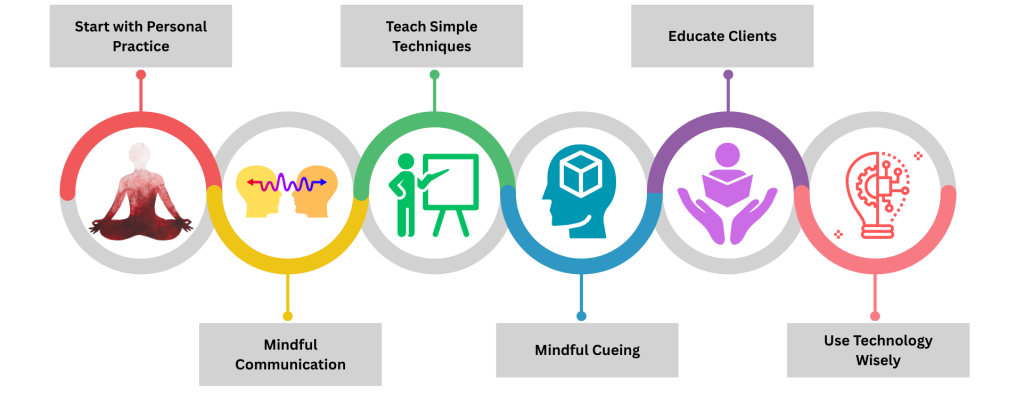
Practical Steps for Integration- Able UK
For occupational therapists looking to weave mindfulness into their daily practice, the journey can begin with small, intentional steps:
- Start with Personal Practice: The most authentic way to teach mindfulness is to practice it yourself. Even a few minutes of daily mindful breathing can make a difference in your own presence and well-being.
- Mindful Communication: Practice active, mindful listening with your clients. Notice your own reactions and biases.
- Teach Simple Techniques: Introduce brief mindful breathing exercises or quick body scans before or during challenging tasks. “Let’s take three mindful breaths before we start dressing.”
- Mindful Cueing: Use language that encourages present moment awareness during activities. Instead of just “Lift your leg,” try “Notice the feeling as your muscles engage to lift your leg.”
- Educate Clients: Explain why mindfulness is relevant to their goals. Connect it directly to their ability to manage pain, reduce anxiety, or focus on a task.
- Use Technology Wisely: Suggest reputable mindfulness apps or guided meditations for home practice, ensuring they align with the client’s needs and your therapeutic goals.
The Future of Holistic Occupational Therapy
The integration of mindfulness into occupational therapy isn’t a new concept, but its importance is growing as we understand more about the mind-body connection and the pervasive nature of stress and anxiety. It represents a powerful evolution in how we approach rehabilitation and health promotion. By equipping clients with the ability to be present, non-judgmental, and aware, occupational therapists are not just improving functional skills; they are fostering a deeper sense of well-being and resilience that lasts far beyond the therapy session. It’s about helping individuals not just to do, but to be—fully and meaningfully—in their own lives.
